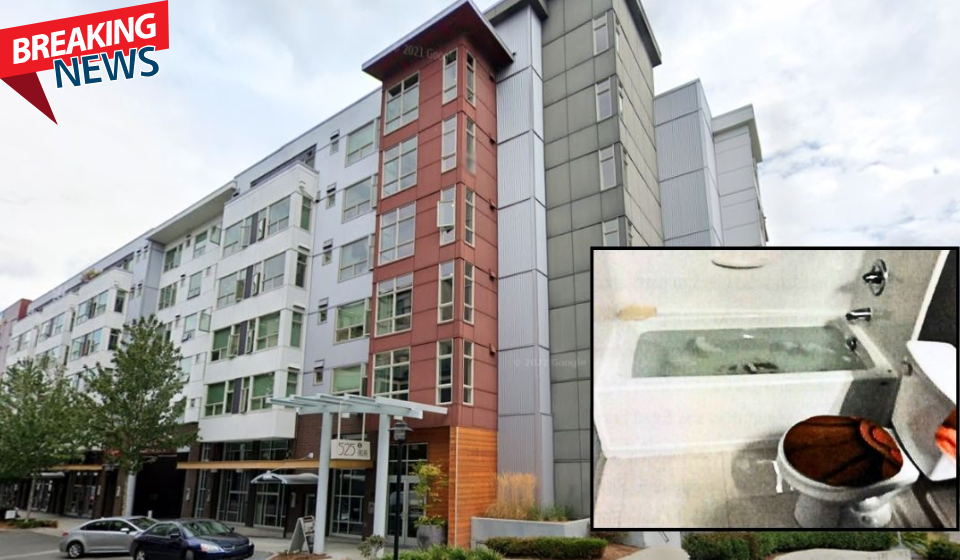
A 25-year-old Washington woman has been charged after prosecutors say her 2-year-old son with Down syndrome drowned in a bathtub while she was out of the bathroom caring for her other children and talking on the phone with their father, despite a court order prohibiting contact between them.
Nakeeya Arbogast has been charged by the King County Prosecuting Attorney’s Office with one count of first-degree manslaughter involving domestic violence following the death of her son, who was hospitalized after the incident and died two days later.
Child Drowned at Seattle Home
According to court documents, the incident occurred on July 9 at the family’s home in Seattle.
Prosecutors said Arbogast’s son had Down syndrome and significant developmental disabilities. Authorities stated the child was unable to walk, crawl, or sit independently without assistance, making him especially vulnerable.
The boy was rushed to Seattle Children’s Hospital after being found unresponsive in the bathtub but later died from his injuries.
Prosecutors Say Mother Left Child Alone
Charging documents allege that Arbogast placed her son face down in the bathtub, turned on the water, and then left the bathroom to care for her two other children.
She reportedly told investigators that she went to change diapers and prepare a snack for one of the children.
At the same time, prosecutors allege she was talking on her cellphone with the children’s father, even though an active domestic violence no-contact order prohibited communication between them.
When she returned to the bathroom, she allegedly found her son floating in the water and not breathing before calling 911.
Emergency Responders Found Serious Injuries
Police officers and firefighters responded to the apartment and transported the child to the hospital.
Doctors later determined he had suffered a severe hypoxic brain injury, meaning his brain was deprived of oxygen after being submerged underwater.
Despite medical treatment, the child died two days later.
Investigators Dispute Mother’s Timeline
According to prosecutors, Arbogast initially told police she had been away from the bathroom for only three to six minutes.
However, investigators later conducted tests on the bathtub and concluded that it took at least 14 minutes for the tub to fill to the level observed by responding officers.
When police arrived, they found the bathroom floor still wet and the bathtub filled to within only a few inches of the top.
Based on that evidence, investigators believe the child was likely left alone in the bathtub for more than 14 minutes.
Child Unable to Save Himself
Court documents describe the boy as functioning at a developmental level comparable to that of an 11-month-old.
According to investigators, he was largely nonverbal, able to say only “momma” and “dadda,” and relied heavily on others because of his physical limitations.
Prosecutors wrote that as the bathtub filled, the child was unable to move or protect himself from drowning because he had been left face down and was physically helpless.
Mother Allegedly Admitted She Knew the Risk
Investigators said Arbogast acknowledged during police interviews that she understood it was unsafe to leave her son unattended in the bathtub.
She also confirmed his significant disabilities and his inability to care for himself.
According to prosecutors, she admitted she was on the phone with the children’s father while tending to her other children during the time her son was in the bathtub.
Prosecutors Cite Aggravating Factors
The King County Prosecuting Attorney’s Office alleges the child was particularly vulnerable because of his disabilities.
Prosecutors also contend that another minor child was within sight or hearing distance during the incident, which could be considered an aggravating factor if Arbogast is convicted.
The case remains pending, and Arbogast is presumed innocent unless proven guilty in court.