A Manhattan stabbing victim who was attacked after leaving a synagogue had recently moved his primary residence to Florida, with reports indicating that concerns about public safety and rising antisemitic incidents influenced his decision to relocate.
The daytime attack on Manhattan’s Upper West Side has renewed discussions among community members and advocacy groups about safety, hate crimes, and the response from city officials.
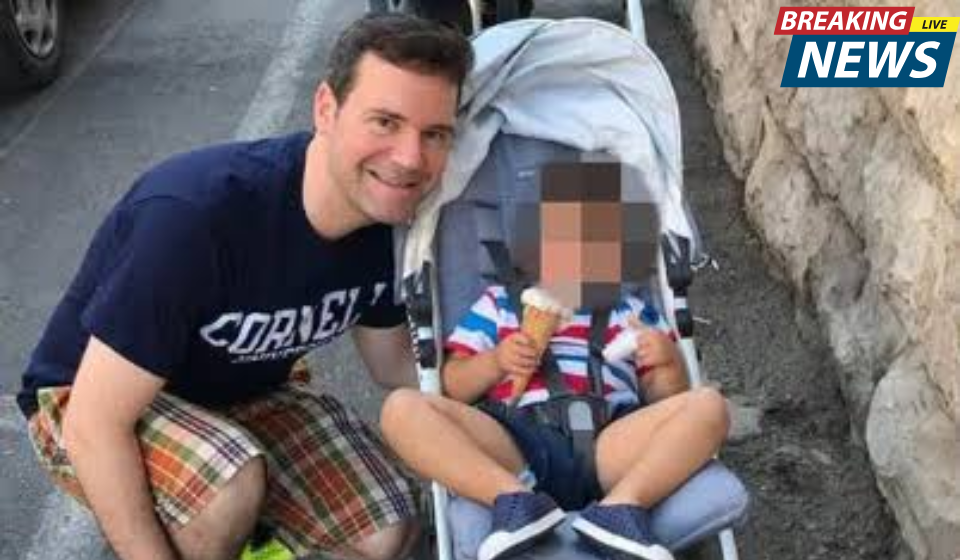
The victim, identified as 50-year-old Moshe Yitzchok Grunhaus, was assaulted shortly after leaving holiday services at a local synagogue. According to authorities, the suspect allegedly carried out two separate unprovoked attacks within minutes.
Police said Grunhaus suffered a puncture wound to his torso caused by a screwdriver. A second victim, a 57-year-old individual, was also attacked nearby.
Both victims were transported to the hospital and were reported to be in stable condition. Grunhaus was later released and continued recovering from his injuries.
Suspect Arrested, Hate Crime Charges Filed
Authorities arrested 51-year-old Raul Morales in connection with the attacks.
Following an initial court appearance, prosecutors filed attempted murder and hate crime charges against Morales as investigators continued reviewing the circumstances surrounding the incident.
Officials are also examining the suspect’s background as part of the ongoing investigation.
Victim Had Recently Relocated to Florida
New details about Grunhaus revealed that he had recently moved his main residence to South Florida. He had returned to New York temporarily to complete the transition after relocating.
Reports indicate that his decision to leave New York was connected to growing concerns about public safety, local leadership, and the handling of antisemitic incidents across the city.
Before the attack, online discussions linked to Grunhaus reflected concerns about increasing hostility toward Jewish residents and broader tensions connected to international conflicts.
Community Leaders Demand Stronger Response
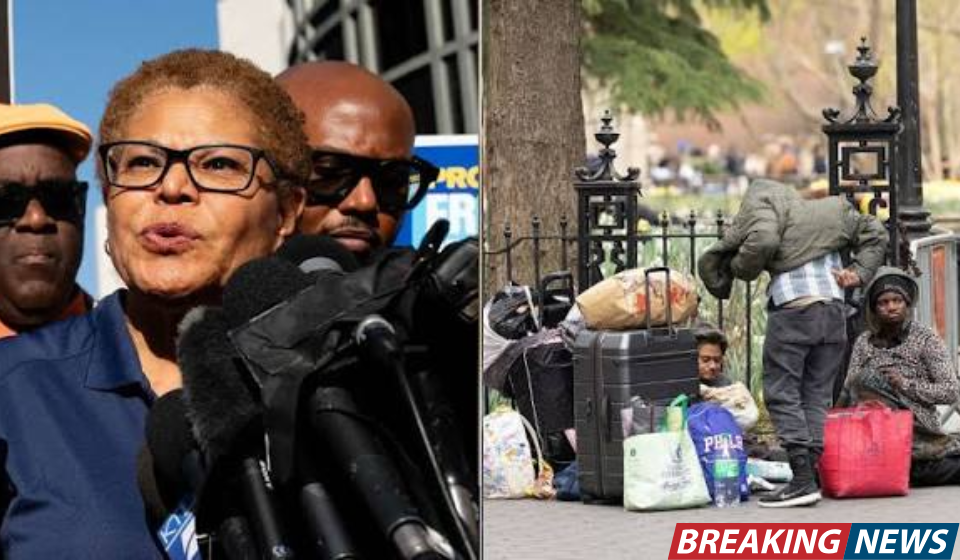
Following the stabbing, community members and advocacy groups gathered on the Upper West Side to condemn the violence and call for stronger action against bias-related attacks.
Demonstrators said they were frustrated by what they described as a growing sense of insecurity among residents and demanded additional efforts from city officials to protect vulnerable communities.
Organizers emphasized that antisemitic and hate-motivated incidents must be treated seriously and addressed through stronger prevention and enforcement measures.
Officials Condemn the Attack
City officials publicly denounced the violence, stating that there is no tolerance for hate crimes or attacks targeting people because of their identity or beliefs.
Authorities said city agencies remain committed to protecting residents and investigating incidents involving bias or discrimination.
However, some activists and community members expressed skepticism, saying they want to see stronger action rather than statements of support.
Investigation Continues
Police and prosecutors continue investigating the attack as legal proceedings move forward.
Investigators are reviewing evidence, the suspect’s actions, and possible motives behind the assaults.
The incident has intensified discussions about public safety in New York City, particularly among communities concerned about religious bias and targeted violence. Community leaders said they will continue pushing for increased protections and accountability following the attack.