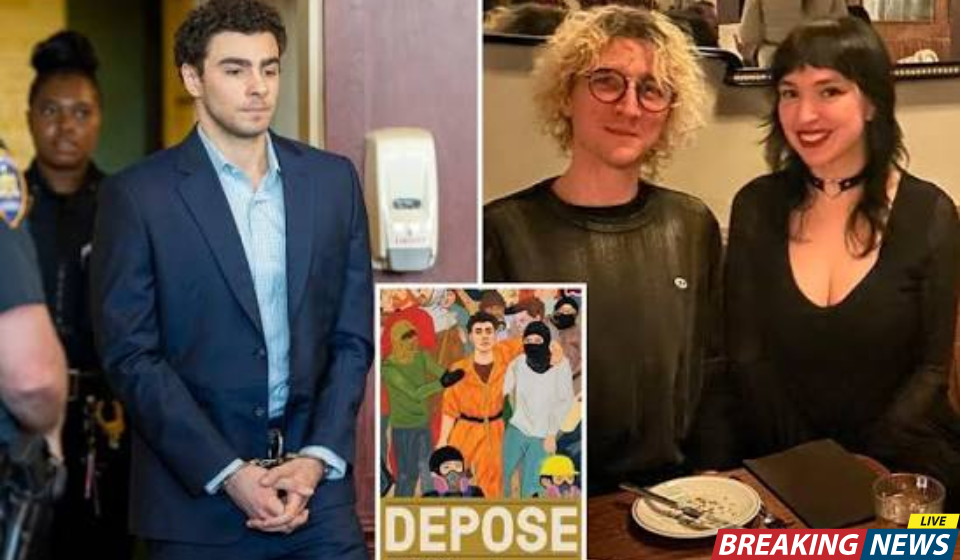
Supporters of Luigi Mangione, the man accused of fatally shooting a health insurance executive in New York City, are promoting the concept of jury nullification as his criminal case moves toward trial. The effort comes as Mangione continues to face both state and federal murder charges in one of the country’s most closely watched criminal prosecutions.
Support Group Highlights Rare Legal Concept
The December 4 Legal Committee, a group supporting Mangione’s legal defense, has been encouraging public discussion about jury nullification, a rarely used legal doctrine under which jurors may acquit a defendant even if they believe prosecutors have proven the case beyond a reasonable doubt.
According to reports, the committee has raised more than $1.5 million to help fund Mangione’s legal defense.
One of the group’s spokespersons, Jamie Peck, described jury nullification as an important safeguard within the American justice system, arguing that it allows juries to reject laws they believe produce unjust outcomes.
What Is Jury Nullification?
Jury nullification occurs when jurors return a not guilty verdict despite believing the defendant committed the crime charged because they believe:
- The law itself is unjust.
- Applying the law would produce an unfair result.
- Conviction would violate their personal sense of justice or morality.
Although juries possess the practical power to acquit defendants in this manner, courts do not officially encourage the practice.
Judges generally instruct jurors to decide cases based solely on the law and the evidence presented during trial.
Attorneys are also not permitted to argue for jury nullification directly during court proceedings.
Historical Background
Legal scholars trace jury nullification back to English common law.
The concept was later used in early American history, including:
- Colonial juries refusing to convict defendants prosecuted under British laws.
- Some juries declining to convict people accused of violating the Fugitive Slave Act before the Civil War.
Although still legally possible because juries cannot generally be punished for acquittals, the practice has become uncommon in modern criminal trials.
Mangione Faces State and Federal Charges
Mangione, 28, is accused of fatally shooting UnitedHealthcare CEO Brian Thompson on Dec. 4, 2024, in Midtown Manhattan.
Prosecutors allege Thompson was shot while walking in New York City.
Mangione was arrested five days later at a McDonald’s restaurant in Altoona, Pennsylvania.
According to investigators, officers recovered a journal during his arrest that allegedly contained writings expressing an intention to kill an insurance company executive.
Mangione has pleaded not guilty to both his state and federal criminal charges.
Jury Selection Expected to Be Challenging
Legal experts believe selecting an impartial jury could prove difficult because of the significant public attention surrounding the case.
The prosecution has generated widespread debate over:
- The U.S. healthcare system
- Health insurance companies
- Corporate accountability
- Political violence
Some legal observers believe those discussions could influence potential jurors’ views before trial begins.
Defense Attorney Discusses Potential Challenges
New York criminal defense attorney Kenneth Belkin said finding jurors without strong opinions about the case may be difficult in New York City.
He noted that the case has become politically charged and that some members of the public have expressed sympathy for Mangione despite the seriousness of the allegations.
Belkin suggested that such views could complicate jury selection if prospective jurors are unable to separate their opinions about broader social issues from the evidence presented in court.
Public Campaign Surrounding the Case
Supporters have continued organizing public campaigns in Mangione’s defense.
The December 4 Legal Committee has also published a work titled:
“Depose: Luigi Mangione, the Right to Health, and the Unfinished American Revolution.”
The organization has also held fundraising efforts and public events supporting Mangione while criticizing the American healthcare system.
Limits on Promoting Jury Nullification
Although discussing jury nullification outside the courtroom is generally protected speech, attempting to influence jurors directly can raise legal concerns.
A frequently cited example occurred in 2015, when two people distributing jury nullification pamphlets outside a Denver courthouse were arrested on allegations of jury tampering.
Those charges were later dismissed by the Colorado Supreme Court.
Judges Screen Jurors Carefully
During jury selection, judges routinely ask prospective jurors whether they can:
- Follow the law as instructed by the court.
- Decide the case based only on the evidence presented during trial.
- Remain impartial throughout the proceedings.
These questions are intended to identify jurors who may be unwilling or unable to apply the law fairly.
Trial Continues to Draw National Attention
Mangione’s prosecution remains one of the nation’s highest-profile criminal cases because of the allegations, the public debate surrounding healthcare issues, and the widespread media attention it has received.
While supporters continue discussing jury nullification, any verdict in the case will ultimately depend on the evidence presented at trial and the jury’s deliberations under the court’s instructions.