Six months after an Illinois State Police trooper fatally shot Rachel Tarrence during a confrontation in East St. Louis, prosecutors have still not announced whether the officer’s actions were legally justified.
The January 4 shooting marked the first fatal shooting involving an Illinois State Police trooper in 2026 and has raised questions about police use of force, de-escalation efforts, and whether the deadly encounter could have been avoided.
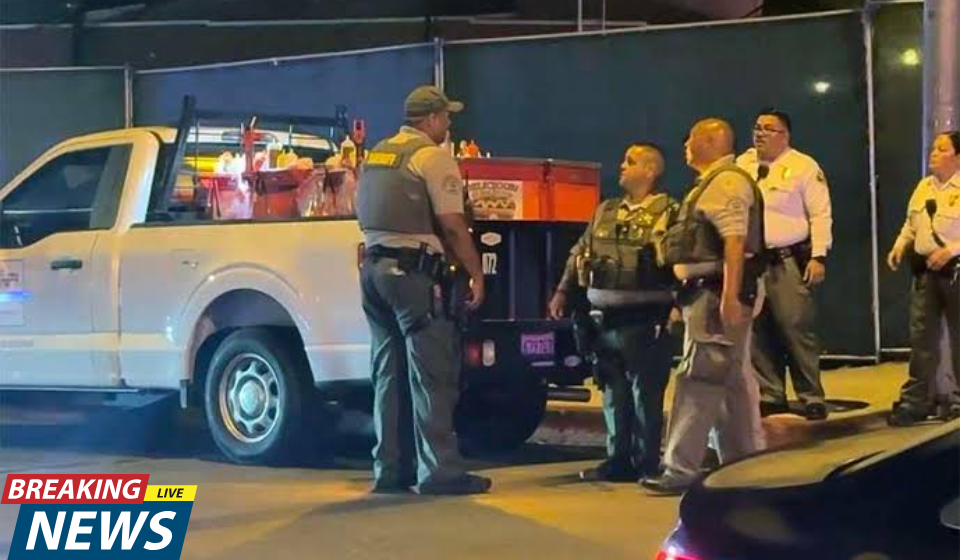
Tarrence, a 40-year-old mother of three from Maryville, Illinois, was killed after troopers surrounded the vehicle she was driving at a liquor store drive-thru in East St. Louis. The incident was captured on police body camera footage and surveillance video, showing a chaotic scene involving multiple officers, conflicting commands, and a vehicle moving in proximity to officers.
The St. Clair County State’s Attorney’s Office is reviewing the case to determine whether the trooper’s use of deadly force was justified or whether criminal charges should be considered. Illinois law allows officers to use deadly force if they reasonably believe their lives or the lives of others are in immediate danger.
The investigation by Illinois State Police was completed in February and forwarded to prosecutors, but no public decision has been issued.
Fatal Shooting Happened Days Before Nationally Discussed ICE Shooting
Tarrence’s death occurred just three days before another high-profile police shooting involving a mother of three, Renee Good, who was killed by a federal Immigration and Customs Enforcement agent in Minneapolis.
The shooting of Good received national attention and sparked protests after officials and witnesses disagreed over whether she posed a threat when she was shot.
Illinois Gov. JB Pritzker publicly criticized federal officials’ description of Good as a threat, saying video evidence appeared to show she was moving slowly and was not attempting to harm anyone.
However, Tarrence’s death received far less public attention. There were no major protests, and state officials did not publicly comment on the case.
The only investigation was conducted by the same agency that employed the trooper involved in the shooting.
What Happened Before the Shooting
On the evening of January 4, Tarrence entered the drive-thru lane of Rainbow Liquor Mart in East St. Louis to buy cigarettes for a friend who was sitting beside her. Her 4-year-old son was seated in the back of the vehicle.
Police had been searching for the Chevrolet Equinox after Washington Park police reported that Tarrence had taken her mother’s vehicle without permission.
Around 8 p.m., Illinois State Police received information that the stolen SUV had entered East St. Louis from Missouri. Four state police vehicles followed Tarrence to the liquor store.
According to video reviewed from the scene, troopers surrounded the Equinox with police vehicles positioned around the SUV.
Two police vehicles were located along the passenger side, another behind the vehicle, and another near the driver’s side. Emergency lights were activated as officers approached.
Tarrence then placed the vehicle in reverse and struck a police vehicle behind her.
Troopers immediately exited their vehicles with firearms drawn. Officers can be heard giving multiple commands, including instructions to put the vehicle in park and to raise her hands.
Seconds later, one trooper fired three shots through the windshield.
Tarrence was struck in the chest and later died at a St. Louis hospital.
Attorney Says Troopers Failed to De-Escalate
Troy Walton, an Edwardsville attorney representing Tarrence’s family, argues that the shooting was unnecessary and that officers escalated the situation rather than attempting to calm it.
Walton said Tarrence was not armed and that the circumstances did not justify deadly force.
He argued that multiple officers shouting conflicting commands created confusion and panic.
A law enforcement tactics expert who reviewed the video also questioned aspects of the officers’ response.
Marc Brown, a University of South Carolina law professor who teaches use-of-force tactics, said officers appeared to create a chaotic environment by giving multiple commands at the same time.
Brown said trained officers typically rely on one person giving clear instructions during high-stress encounters.
“When you have multiple people shouting different orders, it can create confusion,” Brown said.
Walton also argued that the trooper placed himself in danger by moving toward the front of the vehicle instead of maintaining distance.
Trooper’s Actions Remain Under Investigation
Illinois State Police policy states that officers should not fire at or from moving vehicles unless deadly force is justified because of the driver’s actions creating a threat of serious injury or death.
Experts have noted that shooting into moving vehicles is generally considered dangerous because bullets can strike passengers or bystanders, and an injured driver may lose control of the vehicle.
Video from the incident shows another adult passenger inside the SUV, as well as Tarrence’s young son in the back seat.
Neither passenger was physically injured.
An autopsy determined Tarrence was shot three times — twice in the right side of her chest and once in her right forearm.
The identity of the trooper who fired the shots has not been released.
Under Illinois State Police union rules, the officer’s name generally cannot be released unless the officer is criminally charged, indicted, or disciplined through the Illinois State Police Merit Board.
The trooper remains on paid administrative leave while the review continues.
Tarrence’s Background and Previous Encounters With Police
Tarrence had a history of substance abuse struggles and previous incidents involving stolen vehicles and fleeing police.
Family members said she battled depression, anxiety, and addiction. Her attorney said she had previously completed treatment programs but struggled again shortly before her death.
An autopsy report showed Tarrence had used cocaine before the shooting, though officials said the amount was not enough to cause severe impairment or psychosis.
In 2021, Tarrence was accused of failing to return a vehicle borrowed from an acquaintance. Police said she later led officers on a high-speed chase through Madison and Granite City after they attempted to stop the vehicle.
During that pursuit, officers reported that she drove through streets, alleys, and a park area before eventually being stopped.
She pleaded guilty to charges including possession of a stolen vehicle and aggravated fleeing. She received probation and community service.
In November 2023, Tarrence was involved in another police pursuit after officers investigating a theft attempted to stop her vehicle.
In December 2025, she was cited by a state trooper for driving on a revoked license and attempting to flee.
On the morning of the fatal shooting, Washington Park police had impounded her vehicle at her mother’s home.
Police said Tarrence later took her mother’s Chevrolet Equinox without permission after her mother refused to let her use it.
Her mother reported the vehicle stolen and requested charges.
Walton said that despite her struggles, Tarrence was a caring mother who stopped earlier that day to buy food for her children and mother.
“She cared about people. She loved them,” Walton said.
Family Questions Whether Shooting Was Necessary
Tarrence’s family says they understand she had personal challenges, but believe she did not deserve to lose her life.
Walton said her past mistakes should not determine whether officers were justified in using deadly force.
He questioned why the confrontation ended with Tarrence being killed while her children were left without their mother.
“This didn’t have to happen,” Walton said.
The family is waiting for prosecutors to decide whether the trooper’s actions complied with Illinois law.
Prosecutors Have Not Yet Issued a Decision
The St. Clair County State’s Attorney’s Office has not announced whether the shooting was justified.
If prosecutors determine the shooting was lawful, the case will likely end without charges. If they find the use of force was unlawful, criminal proceedings could follow.
The review has drawn attention to broader questions about police accountability, transparency, and the use of deadly force during encounters involving vehicles.
For now, six months after Rachel Tarrence was killed, her family continues waiting for answers about whether the trooper’s decision to fire those three shots was necessary or avoidable.