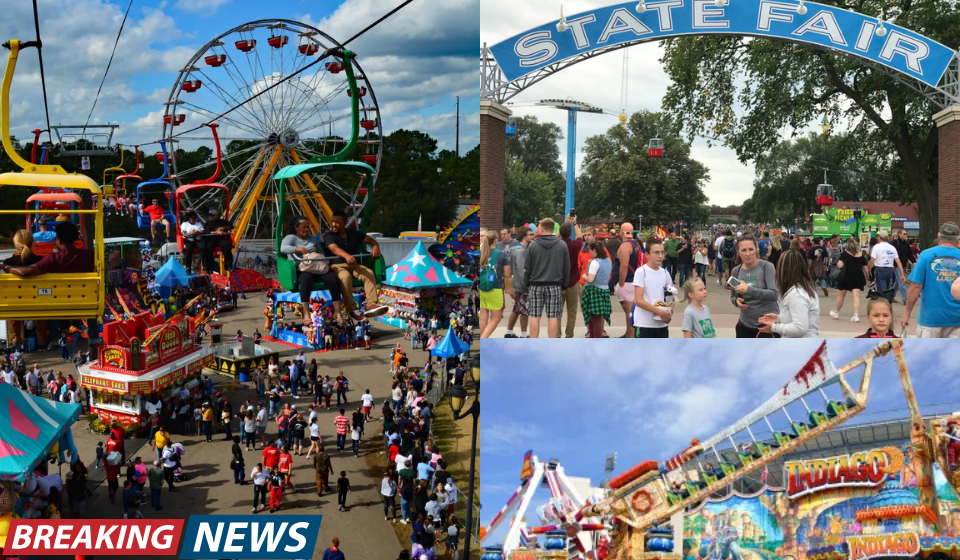
The Minnesota State Fair, one of the largest and most popular state fairs in the United States, has announced several important rules for visitors ahead of its 2026 event. Guests planning to attend the fair will need to leave certain items at home, including bicycles, while stroller restrictions will apply in some areas.
The annual fair will return to Falcon Heights, Minnesota, near Minneapolis, from August 27 through September 7, 2026. Organizers have confirmed that security teams will enforce updated entry rules to help manage crowds, improve safety, and keep the event running smoothly.
Bikes Completely Banned From Minnesota State Fairgrounds
According to fair officials, bicycles are not allowed anywhere inside the Minnesota State Fairgrounds. Visitors who arrive with bikes will be denied entry at security checkpoints located at all entrances.
The restriction is part of the fair’s effort to reduce congestion in heavily crowded areas. With hundreds of thousands of people expected to attend, organizers say limiting certain types of transportation inside the grounds helps create safer walkways and improves movement throughout the event.
Guests are encouraged to use other transportation options, including public transit, shuttle services, and designated parking areas around the fairgrounds.
Strollers Restricted at Grandstand Concert Venue
While strollers are not completely banned from the entire fair, organizers confirmed that they will not be permitted inside the Grandstand concert venue.
The Grandstand hosts nightly performances and special events that require a separate ticket in addition to regular fair admission. Because of limited seating space and crowd management concerns, strollers will not be allowed in that area.
Parents and caregivers attending concerts at the Grandstand will need to make alternative arrangements before entering the venue.
Fair Closing Time Changed on Final Day
The Minnesota State Fair has also announced a schedule change for the final day of the 2026 event.
On September 7, the fairgrounds will close to visitors at 8 p.m., which is one hour earlier than the traditional closing time.
Officials said the earlier closing time was decided after reviewing several factors, including attendance patterns, transportation information, vendor operations, entertainment schedules, staffing levels, livestock events, competitions, and public safety considerations.
In a statement posted on the fair’s website, organizers said the adjustment is part of ongoing efforts to manage operations and ensure a safe and efficient end to the event.
More Changes Coming to Fair Competitions in 2027
Visitors and competitors should also be aware of future changes planned for the Minnesota State Fair’s famous crop art competitions.
Beginning in 2027, competitors will no longer be allowed to use quinoa, chia seeds, or cardamom in crop art displays. The competition, which began in 1965, is one of the fair’s most unique traditions and attracts artists who create detailed designs using agricultural materials.
Under the updated rules, participants will still be able to use a wide variety of Minnesota-grown seeds, stems, and beans. Approved materials will include crops such as oats, wheat, barley, flax, rye, soybeans, sunflowers, millets, and wild rice.
Organizers said the changes are intended to maintain the focus of the competition on agricultural products connected to Minnesota.
Preparing for a Busy 2026 Minnesota State Fair
The Minnesota State Fair attracts large crowds every year and features concerts, food vendors, competitions, agricultural exhibits, carnival rides, and entertainment events. With thousands of visitors expected daily, officials regularly update policies to address safety and crowd management concerns.
Guests attending the 2026 fair are encouraged to review the rules before arriving to avoid delays or being turned away at entry points.
By enforcing restrictions on bikes, limiting strollers in specific venues, adjusting closing times, and updating competition guidelines, fair officials say they are working to provide a safer and more enjoyable experience for everyone attending the event.